Top 10 Fastest-Growing Real Estate Cities in India for 2026
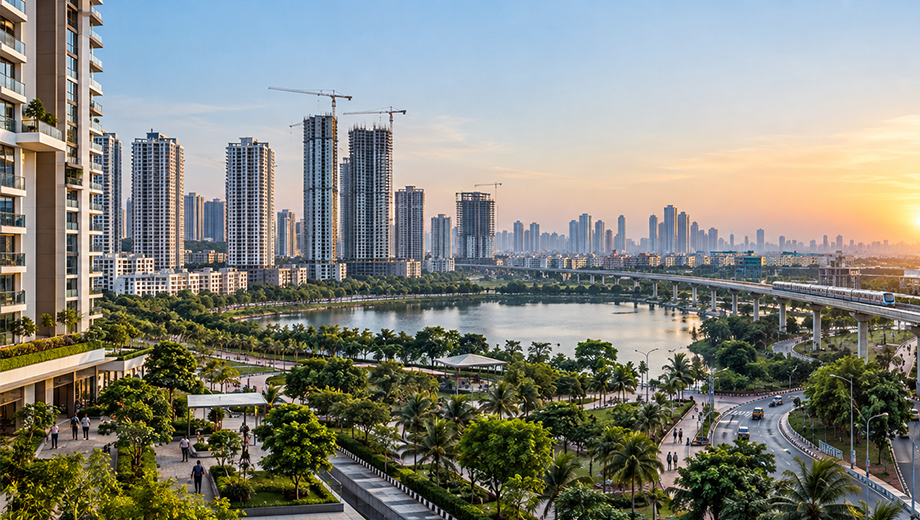
India’s urban landscape is changing rapidly. New infrastructure, expanding employment hubs, improved connectivity and rising housing demand are transforming several cities into powerful economic centres. For homebuyers and investors, identifying the fastest growing cities in India can help reveal opportunities before prices rise further.
For StepsStone Promoters Pvt Ltd, understanding these market shifts is essential to creating better residential choices for modern buyers. From established metros to emerging Tier-2 locations, these cities are attracting businesses, professionals, students and property investors.
Quick Insight: Residential demand across major Tier-2 cities reportedly grew at a compound annual rate of 14% between FY2021 and FY2026. Nagpur, Coimbatore and Lucknow recorded growth close to 20%.
What Makes a City Grow Quickly?
A city’s growth is not measured only by rising property prices. Sustainable development usually depends on a combination of factors:
- New roads, highways, airports and metro systems.
- IT parks, manufacturing zones and commercial centres.
- Job creation and migration from smaller towns.
- Educational institutions, hospitals and lifestyle infrastructure.
- Affordable housing and improved public services.
- Strong rental demand and long-term investment potential.
The cities listed below have been selected based on their infrastructure momentum, economic activity, housing demand and future growth potential in 2026.
Must Read: Best Time to Buy a House in India: Month-by-Month Analysis
Top 10 Fastest Growing Cities in India
| Rank | City | Major Growth Drivers |
| 1 | Bengaluru | Technology, start-ups and employment |
| 2 | Hyderabad | IT, pharmaceuticals and infrastructure |
| 3 | Pune | IT, manufacturing and education |
| 4 | Chennai | Automotive, technology and logistics |
| 5 | Ahmedabad | GIFT City, manufacturing and transport |
| 6 | Jaipur | Tourism, IT and urban expansion |
| 7 | Lucknow | Infrastructure, administration and services |
| 8 | Indore | Manufacturing, education and urban planning |
| 9 | Coimbatore | Industry, healthcare and technology |
| 10 | Nagpur | Logistics, metro connectivity and aerospace |
Must Read: Flat vs Villa: Key Differences, Costs & Benefits
Chennai: An Industrial and Residential Growth Centre
Chennai remains one of India’s strongest urban economies, supported by automobile manufacturing, information technology, healthcare, education, ports and logistics.
The OMR corridor, GST Road, Porur, Sholinganallur, Pallavaram, Tambaram and the northern industrial belt continue to see residential and commercial expansion. Improved road connectivity and employment growth are increasing demand for apartments across multiple budgets.
For homebuyers looking for flats in Chennai, factors such as flood resilience, access to public transport, water supply, neighbourhood infrastructure and distance from employment hubs should be assessed carefully.
Chennai’s relatively diversified economy also supports both end-user housing demand and rental opportunities.
Coimbatore: South India’s Emerging Business Hub
Coimbatore is one of the most promising fastest growing tier 2 cities in India. It has a strong base in textiles, engineering, manufacturing, education, healthcare and small businesses.
The city is also gaining attention from technology companies and professionals seeking a more comfortable urban environment. Residential demand is increasing around Saravanampatti, Avinashi Road, Trichy Road and the eastern growth corridors.
Coimbatore’s combination of industrial strength, education facilities and quality-of-life advantages makes it an important city to watch in 2026.
Must Read: Top Areas in Chennai Ranked by Property Value
Bengaluru: India’s Technology Powerhouse
Bengaluru continues to be one of the fastest developing cities in India. Its technology ecosystem, start-up culture, research institutions and high concentration of global companies continue to attract skilled professionals from across the country.
Residential growth is spilling out of traditional neighborhoods. Localities such as Whitefield, Sarjapur Road, North Bengaluru and Electronic City continue to benefit from employment hubs and infrastructure development.
However, buyers should carefully compare traffic conditions, water availability, project approvals and commute times before purchasing property.
Hyderabad: A Strong Technology and Business Hub
Hyderabad has developed into one of India’s most important technology and commercial centres. HITEC City, Gachibowli and the Financial District continue to attract companies and professionals.
The city also benefits from its pharmaceutical, healthcare, aerospace and manufacturing sectors. Compared with some other large metros, Hyderabad has historically offered relatively spacious homes and planned residential communities in several corridors.
The western side of the city remains a major residential growth zone, while northern and southern areas are also gaining attention because of expanding connectivity.
Must Read: Best Place to Buy Land in Chennai: Top 10 Areas Ranked
Pune: A Balanced Market for Jobs and Homes
Pune combines technology, education, manufacturing and a strong student population. This diverse economic base makes it one of the fastest growing real estate cities in India.
Hinjewadi, Wakad, Baner, Kharadi, Wagholi, Hadapsar and Ravet–Tathawade are among the locations attracting new residential projects.
Which Is the Fastest Growing Area in Pune?
There is no single answer for every buyer. The fastest growing area in Pune depends on the objective:
- Hinjewadi and Wakad: Suitable for IT professionals.
- Kharadi: Strong office and rental demand.
- Wagholi: Relatively accessible entry prices and future infrastructure potential.
- Ravet–Tathawade: Attractive for families seeking newer developments.
- Hadapsar: Established social infrastructure and employment access.
Before investing, compare the project’s MahaRERA details, construction progress, possession schedule and total acquisition cost.
Ahmedabad: Manufacturing Meets Global Infrastructure
Ahmedabad is becoming an important business, manufacturing and investment destination. The city benefits from industrial growth, improved roads, metro connectivity and its proximity to GIFT City.
Residential demand is growing in areas such as Shela, SG Highway, Chandkheda, Bopal and the Ahmedabad–Gandhinagar corridor. The city’s expanding commercial ecosystem is also encouraging developers to launch integrated communities with schools, retail spaces and recreational amenities.
Its comparatively organised urban expansion makes Ahmedabad an attractive option for buyers seeking long-term value.
Must Read: Plot vs Flat: Which One is a Better Investment Option?
Jaipur: A Promising Tier-2 Growth Market
Jaipur is one of the fastest growing tier 2 cities in India, supported by tourism, education, government activity, manufacturing and emerging technology services.
The city offers a combination of relatively affordable housing, improving infrastructure and a growing lifestyle economy. Areas along Ajmer Road, Tonk Road and the Jaipur–Delhi corridor have attracted residential development.
Jaipur may appeal to first-time buyers, retirees, investors and professionals who want the facilities of a major city without the cost levels of larger metros.
Lucknow: Infrastructure-Led Urban Expansion
Lucknow is rapidly emerging as one of India’s important administrative, healthcare, education and services hubs. Airport expansion, road projects, commercial development and planned residential areas are supporting its growth.
The city has also gained attention among property investors because of its improving connectivity and relatively accessible housing prices. Localities around Shaheed Path, Gomti Nagar Extension and the airport corridor are witnessing significant development.
Lucknow is particularly relevant for buyers seeking a combination of urban amenities, planned neighbourhoods and long-term appreciation potential.
Must Read: Home Buying Guide: Steps and Tips for First-Time Home Buyers
Indore: A Clean and Well-Planned Growth City
Indore is frequently included among the fastest developing cities in India because of its urban planning, cleanliness initiatives, education ecosystem and expanding industrial base.
The city’s commercial and residential growth is supported by improving roads, public infrastructure and demand from students and working professionals. Rau, Vijay Nagar, Super Corridor and surrounding areas have attracted residential projects.
Indore’s key advantage is its balance between affordability, liveability and economic expansion. Still, buyers should check actual employment access and infrastructure availability rather than relying only on future-project announcements.
Nagpur: The Logistics Centre of Central India
Nagpur’s central location gives it a major advantage in logistics, warehousing and transportation. The city is supported by metro connectivity, the MIHAN development, aerospace activity and road links to several major regions.
Residential growth is expanding around Wardha Road, MIHAN, Manish Nagar and other developing corridors. Nagpur recorded strong residential demand growth among Tier-2 markets, alongside Coimbatore and Lucknow.
For investors, the city’s potential depends on the execution of infrastructure projects, job creation and the conversion of planned development into sustained demand.
Must Read: South Face Flat Vastu: Dos, Don’ts & Vastu Remedies
Is There One Fastest Growing Metropolis in India?
The phrase fastest growing metropolis in India can refer to different measures. Bengaluru may lead in technology and employment creation, Hyderabad in planned business expansion, Pune in balanced housing demand, and Chennai in industrial and logistics strength.
Similarly, the phrase India’s fastest developing city does not identify one permanent winner. Growth rankings can change depending on whether the measurement focuses on property prices, infrastructure, jobs, population, commercial leasing or quality of life.
This is why buyers should evaluate city-level growth along with neighbourhood-level fundamentals.
Conclusion
The fastest growing cities in India in 2026 are being shaped by employment, infrastructure, connectivity and liveability. Bengaluru, Hyderabad, Pune, Chennai and Ahmedabad continue to offer strong metropolitan opportunities, while Jaipur, Lucknow, Indore, Coimbatore and Nagpur are demonstrating the emerging potential of Tier-2 markets.
When you are comparing homes in Chennai, spotting Pune’s growth corridors or evaluating an emerging city, research should go beyond the headlines and price projections. Check approvals, study infrastructure, check builder credibility and pick a location that meets your long term needs.
StepsStone Promoters Pvt Ltd has a buyer-centric approach that can help homebuyers understand changing residential markets and make more informed property decisions in India’s rapidly evolving cities.